To maintain a graphene-coated car, wash it every two to four weeks using a pH-neutral car shampoo and the two-bucket method, rinse before you wash, dry with a clean microfibre towel to prevent water spots, and avoid automatic brush car washes and harsh chemicals. Good graphene coating maintenance keeps the surface hydrophobic and protected, so washing stays easier and less frequent, though never unnecessary.
Why graphene coating maintenance is easier (but still needed)
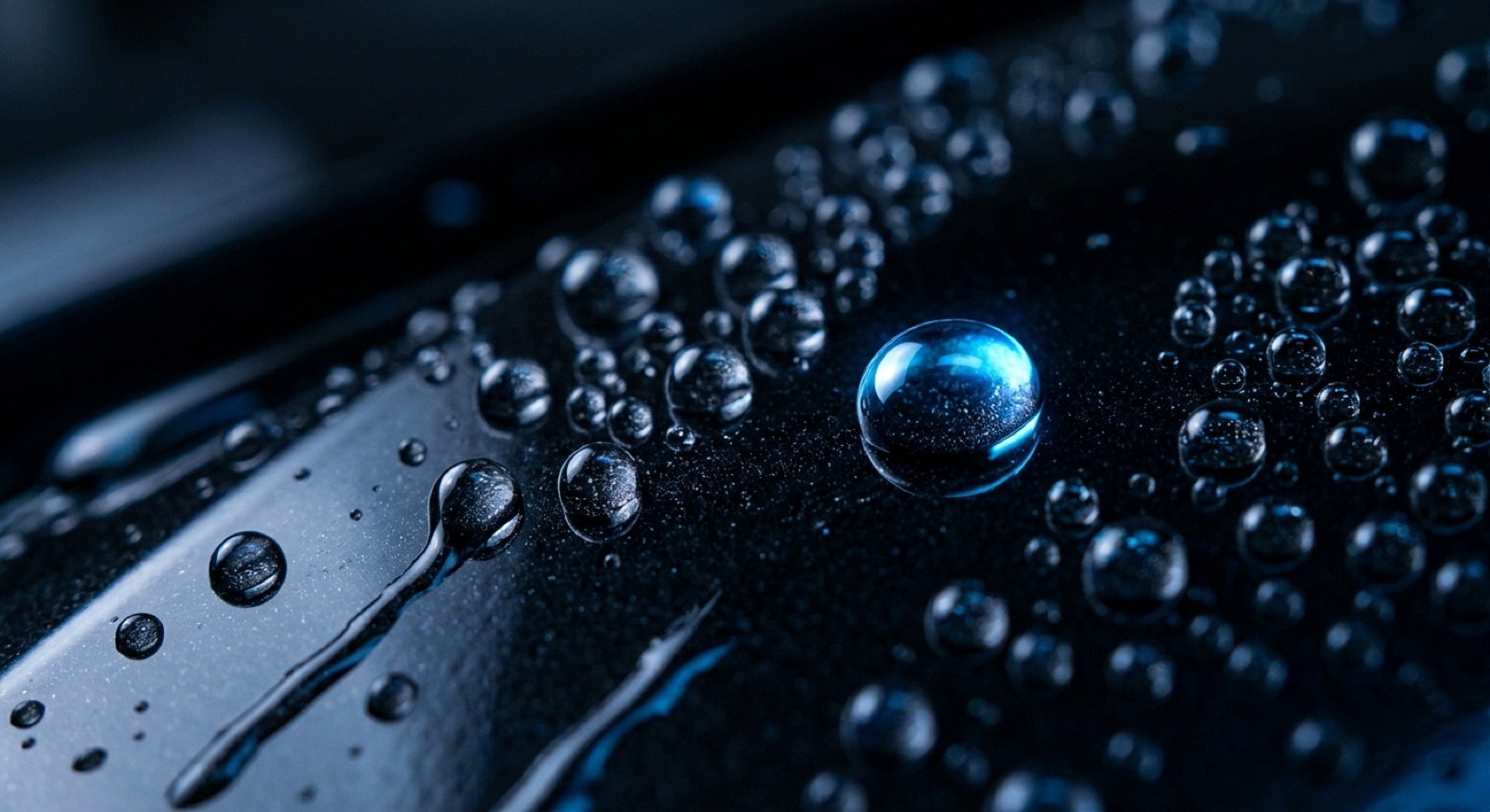
The Kovalent Graphene Matrix we install creates a slick, hydrophobic layer with a high water contact angle, so water sheets off and carries dirt with it. That self-cleaning effect, combined with a hard 9H surface and up to 9 years of durability, means far less grime sticks to your paint between washes. It does not mean you can stop washing altogether. Road film, bird droppings, tree sap and industrial fallout still land on the surface, and leaving them there shortens how well the coating performs.
Think of it as a reduced workload rather than no workload. A coated car washed correctly will look its best for years, while a neglected one will not. Our range of coating services all rely on the same simple aftercare principles below.
What you need before you start
- A pH-neutral car shampoo formulated for coated paint. Avoid wash-and-wax products, degreasers and anything strongly acidic or alkaline.
- Two buckets (ideally with grit guards): one for clean, soapy water and one for rinsing your mitt.
- A clean, soft microfibre wash mitt kept solely for the body of the car.
- A large, plush microfibre drying towel that has not been used on wheels or lower panels.
- A hose for a thorough pre-rinse.
Keeping your mitt and towels clean is the single most important habit. A gritty mitt drags contamination across the paint and creates the very swirl marks a coating is meant to help resist.
The correct way to wash a graphene-coated car
1. Rinse before you wash
Always rinse the whole car first to flush off loose dust, sand and debris. This step prevents you from grinding abrasive particles into the surface with your mitt, which is where most light scratching comes from.
2. Use the two-bucket method
Load your mitt from the soapy bucket, wash one panel, then rinse the mitt in the second bucket before reloading. This keeps dirt out of your clean wash water. Work top to bottom, since the lower panels are always the dirtiest. Use straight, gentle strokes rather than circular scrubbing.
3. Rinse and dry thoroughly
Rinse all the shampoo away, then dry promptly with your clean microfibre towel. Even though water beads and runs off a graphene coating beautifully, letting it air-dry in the Queensland or Victorian sun invites water spots from dissolved minerals. A quick pat-and-drag dry, or a gentle blast of filtered air, removes standing water before it can mark the surface.
What to avoid
- Automatic brush car washes. The spinning brushes are loaded with grit from every car before yours and will inflict swirl marks. Touchless washes are a safer occasional option, but a careful hand wash is always best.
- Harsh chemicals. Strong acids, alkalines, solvents and aggressive wheel cleaners can degrade the coating over time. Stick to pH-neutral products.
- Washing in direct sun or on hot panels. Shampoo and water dry too fast, leaving residue and spots.
- Dirty or shared towels and mitts. Reusing wheel cloths on paint is the fastest way to introduce scratches.
Periodic gentle decontamination
Even with regular washing, bonded contaminants such as iron fallout and rail dust can accumulate, especially in coastal areas of Brisbane and the Gold Coast. Every six to twelve months, a gentle decontamination using a dedicated iron remover and a soft clay treatment restores that ultra-slick feel. Always follow with a pH-neutral wash. If you would rather leave it to specialists, our team across all three studios can handle decontamination and an inspection in one visit.
On the topic of light marks: the coating's self-healing property can reduce the appearance of minor swirls and very light scratches when warmed to around 100°C, for example by sun exposure or warm water. This is a cosmetic improvement for superficial marring only, and results vary with the depth of the mark. It does not repair deep scratches, stone chips or dents, and no coating makes paint completely resistant to scratching.
A simple graphene coating maintenance schedule
- Weekly to fortnightly: rinse off heavy dust, and spot-remove bird droppings and sap as soon as you notice them.
- Every 2 to 4 weeks: full two-bucket wash with pH-neutral shampoo, then dry.
- Every 6 to 12 months: gentle iron and clay decontamination, plus a professional inspection.
- As needed: a top-up maintenance booster to refresh hydrophobics on high-wear panels.
Following this routine protects your investment in premium paint protection and keeps the finish performing well across the years of coverage.
Do I still need to wash a graphene-coated car?
Yes. A graphene coating makes washing easier and less frequent because it is highly hydrophobic and self-cleaning, but contaminants like bird droppings, sap and road film still need removing. Plan on a gentle wash every two to four weeks.
Can I take my coated car through an automatic car wash?
Avoid automatic brush washes, as the brushes carry grit that causes swirl marks. A careful hand wash using the two-bucket method is best. Touchless automatic washes are an acceptable occasional alternative.
What shampoo should I use for graphene coating maintenance?
Use a pH-neutral car shampoo designed for coated paint. Avoid wash-and-wax blends, degreasers and strongly acidic or alkaline products, which can degrade the coating over time.
How do I stop water spots on a coated car?
Dry the car promptly after rinsing with a clean microfibre towel, and avoid washing in direct sun. Water beads off readily, but if it air-dries, dissolved minerals can leave spots on the surface.
Look after the coating and it will look after your paint for years. If you would like a maintenance wash, a decontamination service or honest advice on aftercare, get in touch with our team in Brisbane, Melbourne or the Gold Coast, browse more detailing guides on our blog, or read our frequently asked questions.