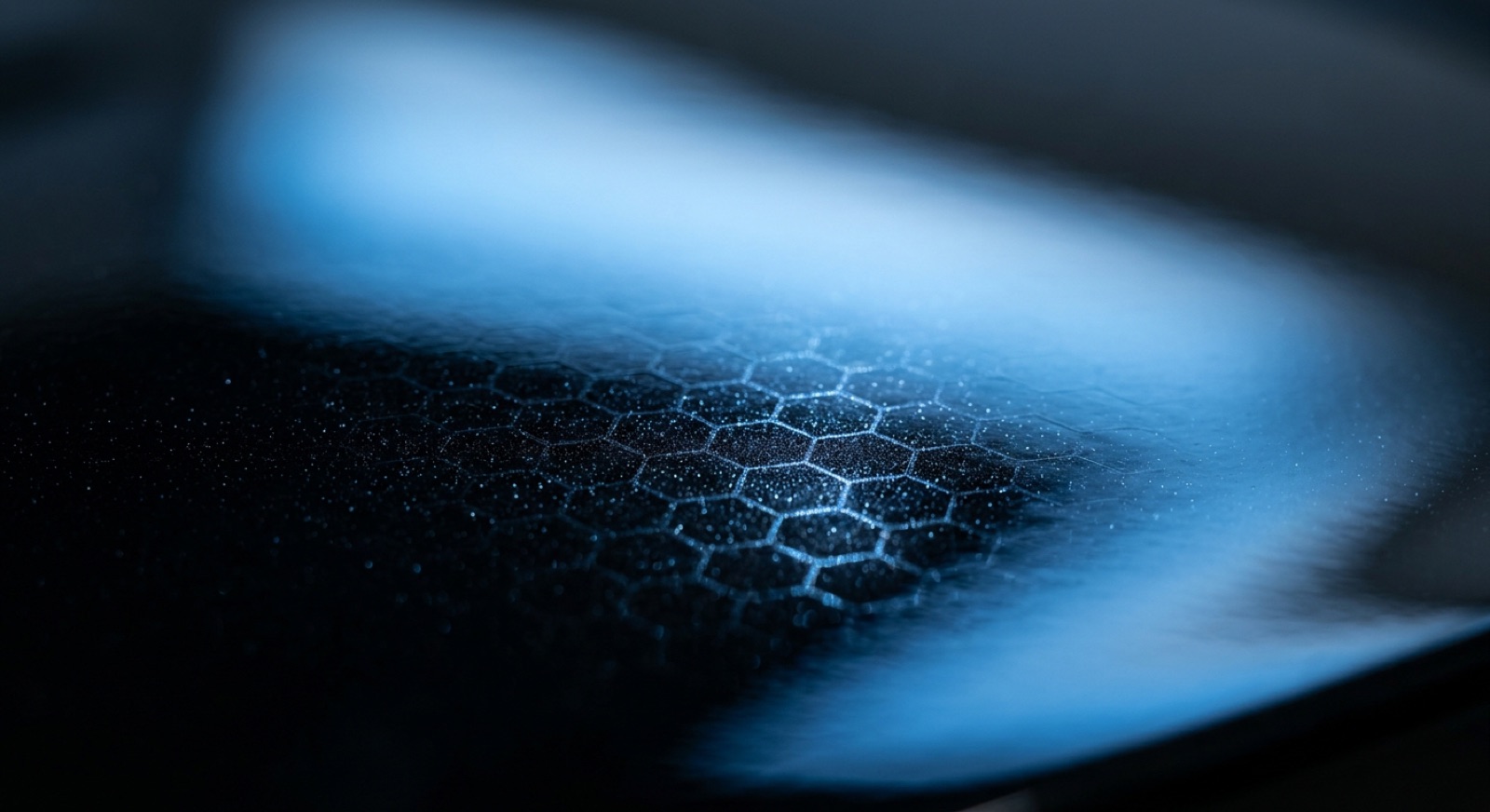
The short answer in the graphene coating vs ceramic coating debate is this: both are liquid-applied paint protection that cure into a hard, glossy layer, but graphene coatings are infused with graphene oxide alongside the silica (SiO2) base, which generally improves heat dispersion, reduces water spotting and can extend durability compared with a traditional ceramic coating. Below we break down composition, hardness, heat, hydrophobicity, durability and price so you can choose with clear eyes.
What is a ceramic coating?
A traditional ceramic coating is a liquid polymer based on silicon dioxide (SiO2), often blended with titanium dioxide and other resins. Once applied and cured, it chemically bonds to the clear coat and forms a hard, long-lasting protective layer that is far harder and slicker than wax or sealant.
Ceramic coatings became the benchmark for serious paint protection because they deliver strong gloss, good chemical resistance and real hydrophobic (water-repelling) behaviour. They make washing easier and help shield paint from UV, light contaminants and oxidation. They are a proven, well-understood technology and remain an excellent choice for many vehicles.
What is a graphene coating?
A graphene coating uses the same SiO2 chemistry as its foundation but adds graphene oxide, a carbon-based material valued for its strength and thermal conductivity. The result is a coating that keeps the qualities people like about ceramic while addressing two common complaints: water spotting and surface heat retention.
It is worth being honest here: graphene is a genuine material upgrade, not a magic layer. It does not make paint indestructible, and it will not repair deep scratches, stone chips or dents. What it does is refine an already strong category of protection.
Graphene coating vs ceramic coating: the key differences
Composition
- Ceramic: Silica (SiO2) based, sometimes with titanium dioxide.
- Graphene: Silica base infused with graphene oxide for added strength and heat handling.
Hardness
Quality coatings in both categories are commonly rated at 9H on the pencil hardness scale, which is the highest rating in that test. A 9H rating means strong resistance to fine marring from normal washing and handling. It does not make the coating impervious to all scratches, and no coating prevents rock chips or careless contact. Both ceramic and graphene coatings sit at a similar hardness ceiling.
Heat dispersion
This is where graphene tends to pull ahead. Because graphene conducts and spreads heat more evenly, the surface is less likely to hold concentrated heat. In practical terms that can reduce the conditions that lead to water spots baking onto hot panels in the Australian sun.
Hydrophobicity and water spotting
Both coatings are highly hydrophobic, producing a high water contact angle so water beads and sheets off quickly. The practical difference is in water spotting: graphene's heat behaviour and surface chemistry tend to leave fewer mineral deposits behind as water evaporates. For owners who park outside or wash in direct sun, that is a meaningful day-to-day benefit. Either way, hydrophobic simply means easier and less frequent washing, not that you never need to wash the car.
Durability
Durability depends heavily on the specific product, preparation and aftercare, but premium graphene coatings can offer up to 9 years of protection with correct maintenance, which is at the upper end of what coatings in this space provide. Ceramic coatings vary widely, from around two years for entry-level products to several years for professional-grade formulas.
Price
Graphene coatings usually cost a little more than comparable ceramic coatings because of the materials and the longer protection on offer. The gap is often modest once you factor in durability and reduced maintenance over the life of the coating. The biggest cost driver in either case is paint preparation, since a proper correction and decontamination is what lets any coating bond and perform.
Where the Kovalent Graphene Matrix fits
The Kovalent Graphene Matrix is a graphene-infused coating that sits at the premium end of this comparison. It combines a 9H-rated hard surface, strong heat dispersion, a high water contact angle for reliable beading and reduced water spotting, and durability of up to 9 years with correct care.
It also includes a self-healing characteristic: when the surface is warmed to around 100°C, whether by sunlight or gentle heat, the coating can reduce the appearance of minor swirls and light scratches. To be clear, this only softens the look of very fine marks and does not repair deep scratches, chips or dents. As specialist installers, we apply it across our three studios in Brisbane, Melbourne and the Gold Coast, with paint preparation matched to each vehicle. You can read more about our process on our paint protection services page or explore luxury car paint protection for high-end finishes.
Which coating should you choose?
If you want the best balance of heat handling, water spotting resistance and long durability, a graphene coating like the Kovalent Graphene Matrix is the stronger option, especially in Australia's climate. A traditional ceramic coating remains a sound, cost-effective choice and still delivers excellent gloss and protection. The right answer depends on your vehicle, how and where it is stored, and how long you plan to keep it. Our team is happy to assess your paint and recommend honestly. Find your nearest studio on our locations page or book a consultation through contact us.
Is a graphene coating better than a ceramic coating?
In most cases a graphene coating offers improved heat dispersion, better water spotting resistance and longer durability than a comparable ceramic coating, because it adds graphene oxide to the silica base. Ceramic coatings are still very capable, so the best choice depends on your budget, vehicle and storage conditions.
Does graphene coating really last up to 9 years?
Premium graphene coatings such as the Kovalent Graphene Matrix can offer up to 9 years of protection, but only with correct application and regular, gentle maintenance. Harsh washing, neglect and environmental damage will shorten the life of any coating.
Will a graphene coating stop scratches and rock chips?
No. A 9H-rated coating strongly resists fine marring from washing, but it will not prevent stone chips, deep scratches or dents. Its self-healing only reduces the appearance of minor swirls and light scratches when warmed to around 100°C, and it does not repair deep damage.
Do I still need to wash a coated car?
Yes. A coating is highly hydrophobic, so dirt and water release more easily and washing is quicker and less frequent. It does not mean the car never needs washing. Regular gentle washing keeps the coating performing at its best.
Still weighing up your options? Browse more guides on our blog, see common questions on our FAQ page, or talk to our specialists in Brisbane, Melbourne or the Gold Coast about the right coating for your car.