
The best way to defend your duco against Australia’s brutal climate is a professional graphene ceramic coating, which adds a hard, UV-stable and water-repelling layer that shields paint from intense sun, coastal salt air and heat far better than wax alone. For lasting car paint protection Australia wide, the Kovalent Graphene Matrix offers 9H surface hardness and up to 9 years of durability, and we install it at three dedicated studios in Brisbane, Melbourne and the Gold Coast.
Australia sits under some of the highest UV levels on Earth, and that same sun that fades a dashboard will dull and chalk your clear coat over time. Add coastal salt, summer heat, humidity and the usual hazards of bird droppings, tree sap and road film, and unprotected paint ages fast. Below we break down each threat and how a graphene coating helps, with notes for our three home cities.
Prolonged UV exposure breaks down clear coat and accelerates oxidation, leaving paint looking flat, especially on reds and dark metallics. A graphene coating forms a UV-stable barrier that helps slow oxidation and keeps the gloss looking deeper for longer. In subtropical Brisbane, where the sun is strong almost year round, this is one of the biggest reasons owners coat their cars.
Salt-laden air is highly corrosive and clings to paint, trim and metal, which is a daily reality for anyone living near the water. The coating’s slick, sealed surface gives salt far less to grip, so contaminants rinse away more easily before they can attack the finish. On the Gold Coast, where sun and salt combine, this protection matters enormously.
Parked in the open, panels can climb to extreme surface temperatures, which stresses paint and bakes on any contaminants sitting on it. Graphene is known for excellent thermal properties, helping the surface manage heat more evenly and reducing the chance of water spotting after a hot day. Melbourne’s swings from cold mornings to hot afternoons make a stable, resilient finish genuinely useful.
A graphene ceramic coating bonds to your clear coat to create a sacrificial, easy-clean barrier. Here is what the Kovalent Graphene Matrix brings to the table, and the honest limits you should know.
You can see the full range on our graphene coating services, including dedicated luxury car paint protection for high-value vehicles.
Local conditions shape what your paint faces, so we tailor advice for each region. Explore all of our studio locations or jump straight to your city.
Subtropical sun and sudden summer storms mean strong UV plus grime and water spotting. A coating’s UV resistance and easy-clean surface are ideal here. Learn more about graphene coating in Brisbane.
Famously changeable weather puts paint through heat, cold, rain and road film in a single week, so a durable, stable, hydrophobic finish earns its keep.
Salt air and relentless sun are the headline threats near the coast, where a sealed, corrosion-resistant surface helps salt and contaminants rinse away more easily.
A coating reduces effort, it does not remove it. To get the most from your investment:
It does not make paint immune, but its UV-stable barrier helps slow the oxidation and fade that strong Australian sun causes, keeping gloss and colour looking better for longer.
With 9H surface hardness it strongly resists swirls and light marring, but it will not prevent deep scratches, stone chips or dents. The self-healing effect only reduces the appearance of very light marks when the surface is warmed to around 100°C.
Yes. The hydrophobic, high water contact angle finish makes washing easier and less frequent, but regular maintenance washing is still needed to keep the surface clean and performing.
The Kovalent Graphene Matrix offers up to 9 years of durability with correct care and regular maintenance.
If you want genuine, honest car paint protection Australia drivers can count on through sun, salt and heat, our team is ready to help at our Brisbane, Melbourne and Gold Coast studios. Read more on our FAQ page, browse other guides on the blog, or contact us for a quote.
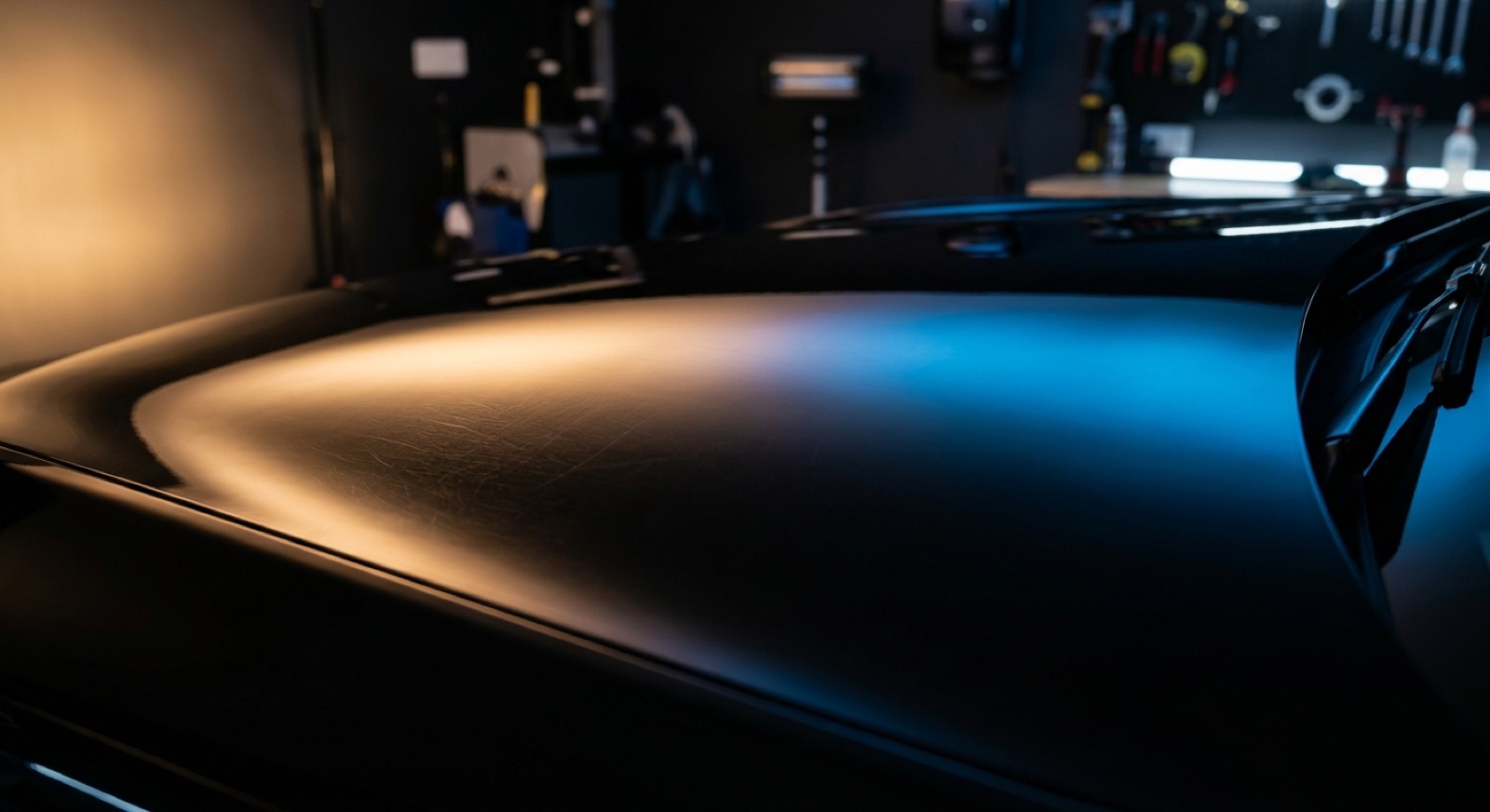
So, how long does a graphene coating last? With the Kovalent Graphene Matrix, a professionally applied coating can last up to 9 years when it is properly maintained. Real-world lifespan depends on a handful of factors, and this guide walks through every one of them honestly, with no overpromising.
Up to 9 years is the headline figure, but think of it as a ceiling rather than a guarantee for every vehicle. A daily-driven ute parked outside in harsh Queensland sun will not age the same way as a weekend car kept in a garage and washed with the right products. The coating itself is rated to a 9H surface hardness and bonds to your clear coat to form a durable, sacrificial layer, but how you treat it after installation is what decides whether you reach the upper end of that range.
Our job as the installer is to give you the best possible starting point. Your job is the ongoing care, and the good news is that a graphene coating makes that care easier, not harder. To understand the full scope of what the coating does, see our paint protection services.
Several variables push the lifespan up or down. Here are the ones that matter most.
Preparation is the single biggest factor in longevity. A coating is only as good as the surface it bonds to. We decontaminate, correct and panel-wipe the paint so the graphene matrix can chemically bond to clean clear coat. Skipping or rushing this stage traps contaminants underneath and shortens the coating’s effective life. This is exactly why a professional install outperforms a rushed DIY job.
How you wash matters more than how often. Automatic brush car washes drag grit across the surface and wear the coating prematurely. A gentle two-bucket hand wash, or a reputable touchless wash, preserves the layer far longer.
Constant UV exposure, salt air near the coast, tree sap, bird droppings and industrial fallout all place demands on any coating. A garaged car in a mild climate will comfortably out-last one left in full sun year-round. Our customers across Brisbane, Melbourne and the Gold Coast see different conditions, and we tailor our maintenance advice to each.
Harsh, high-pH degreasers and aggressive compounds strip protective layers over time. Stick to pH-neutral car shampoos formulated for coated vehicles. The wrong chemicals can take years off an otherwise healthy coating.
Maximising lifespan is mostly about consistent, gentle care. A simple routine goes a long way.
One of the practical benefits of graphene is its strong hydrophobic behaviour. With a high water contact angle, water beads tightly and sheets off, carrying dirt with it. That means easier and less frequent washing, though it never means you can skip washing altogether. The cleaner you keep the surface, the longer the coating performs.
The Kovalent Graphene Matrix has a self-healing characteristic, but it is important to be clear about what that means. Warming the surface to around 100°C, for example through sunlight or warm water, can reduce the appearance of minor swirls and very light surface scratches as the coating relaxes back into shape. It will not repair deep scratches, stone chips or dents, and it is not a substitute for careful handling. Treat self-healing as a helpful cosmetic bonus, not a cure-all.
A coating does not vanish overnight; it tapers off gradually. Watch for these signals that it may be time for a maintenance treatment or reapplication.
If you notice these changes, book an inspection. Often a decontamination wash and a top-up coat will restore performance without a full re-application. For premium and exotic vehicles, our luxury car paint protection service includes tailored maintenance scheduling.
The Kovalent Graphene Matrix is rated up to 9 years with proper maintenance, which generally exceeds typical consumer ceramic coatings. Graphene also tends to handle heat and water spotting better, but care habits remain the deciding factor for both.
Yes. The coating is strongly hydrophobic, so washing is easier and needed less often, but regular gentle washing is still essential to keep the surface performing and to reach the full lifespan.
It reduces the appearance of minor swirls and light scratches when warmed to around 100°C. It does not repair deep scratches, stone chips or dents, and no coating can make paint resistant to all scratches.
In many cases, yes. A maintenance treatment with a compatible top-up product can refresh hydrophobic performance and gloss between full reapplications. Visit our FAQ page for more detail.
The honest answer to how long a graphene coating lasts is up to 9 years with the Kovalent Graphene Matrix and good upkeep. If you would like a tailored assessment for your vehicle and conditions, get in touch with our team, explore our Brisbane studio, or read more guides on the Graphene Coatings blog.

For most Australian drivers, yes, a graphene coating is worth it: if you plan to keep your car for a few years and care about gloss, easier maintenance and resale value, the long-term protection and reduced wash effort usually outweigh the upfront cost. The honest answer to “is a graphene coating worth it” comes down to your vehicle, how long you will own it and what you expect a coating to do, so let us break the cost and value down clearly.
There is no single price, because no two cars arrive in the same condition. The Kovalent Graphene Matrix is applied by hand, and the labour involved depends heavily on the surface underneath it. The main factors are:
Because of these variables we do not publish flat figures. The best way to get an accurate number is to request a quote so we can assess your specific paintwork.
A graphene coating is a semi-permanent layer that bonds to your clear coat and changes how the surface behaves. Here is what that delivers day to day:
Value depends on the vehicle and how you use it. Some owners benefit more than others.
If you have invested in a premium marque, protecting the finish is an easy decision. Our luxury car paint protection keeps high-end paint looking showroom-fresh and supports stronger resale or trade-in values.
Weekend and track cars spend time exposed to heat, brake dust and the elements. A graphene coating keeps the paint sharp and makes post-drive cleanup quicker.
Daily cars cop the most punishment from sun, commuting grime and car parks. The easier-washing benefit alone saves time most weekends, and the protection guards against everyday contaminants.
A brand-new car is the ideal candidate, because the paint is already in excellent condition and needs minimal correction. Coating early protects the factory finish from day one and is often the most cost-effective time to do it.
This comparison is where the value question is usually settled. Traditional products are cheap per application but short-lived.
When you divide the cost of a single professional coating across its lifespan and factor in the wax or sealant you would otherwise buy and apply repeatedly, the coating frequently works out as the smarter long-term spend, with a far better finish along the way.
The value of any coating rests on correct preparation and a professional install. We run three dedicated studios in Brisbane, Melbourne and the Gold Coast, where the paint is decontaminated, corrected where needed and coated in a controlled environment. You can explore the full process on our services page, or see your nearest studio on our locations page. If you are in the river city, our graphene coating Brisbane team can talk you through options for your vehicle.
It can be, provided the paint is sound. Older cars often need paint correction first, which adds cost, but the result restores gloss and protects the finish for years. We assess condition before quoting so you know exactly what is involved.
With correct washing and maintenance, the Kovalent Graphene Matrix offers up to 9 years of durability. Regular gentle washing and avoiding harsh chemicals help it perform at its best for as long as possible.
No. The coating is strongly hydrophobic, so dirt and water release more easily and you wash less often with less effort. It does not remove the need to wash the car, it just makes it quicker and easier.
No. The self-healing feature only reduces the appearance of minor swirls and very light scratches when warmed to around 100°C. It cannot repair deep scratches, stone chips or dents.
The right answer depends on your car and how long you will keep it, but for drivers who value a lasting finish and easier upkeep, a graphene coating earns its place. Read more on our FAQ page, browse helpful guides on the blog, or contact us for a tailored quote at your nearest studio.
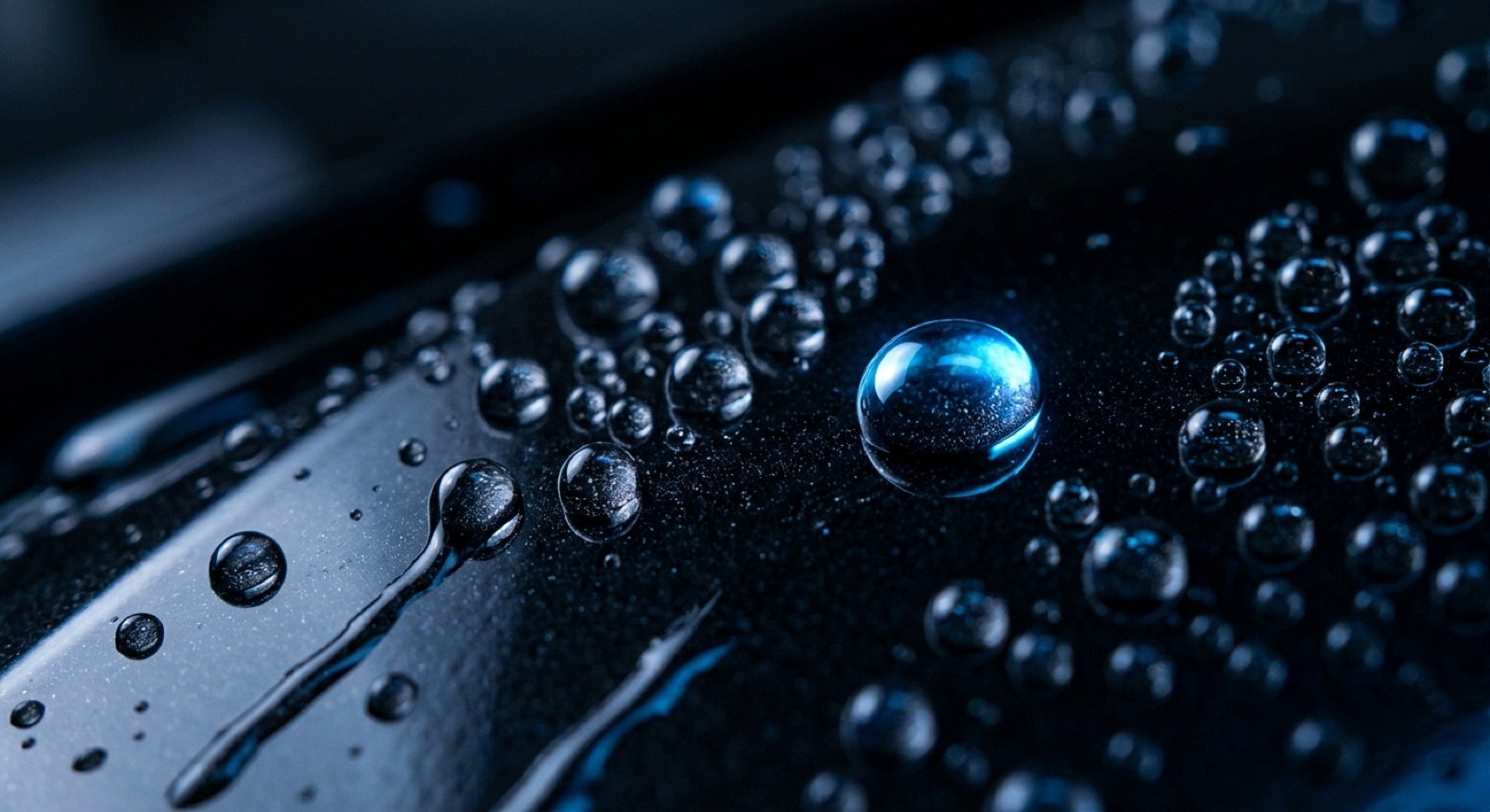
To maintain a graphene-coated car, wash it every two to four weeks using a pH-neutral car shampoo and the two-bucket method, rinse before you wash, dry with a clean microfibre towel to prevent water spots, and avoid automatic brush car washes and harsh chemicals. Good graphene coating maintenance keeps the surface hydrophobic and protected, so washing stays easier and less frequent, though never unnecessary.
The Kovalent Graphene Matrix we install creates a slick, hydrophobic layer with a high water contact angle, so water sheets off and carries dirt with it. That self-cleaning effect, combined with a hard 9H surface and up to 9 years of durability, means far less grime sticks to your paint between washes. It does not mean you can stop washing altogether. Road film, bird droppings, tree sap and industrial fallout still land on the surface, and leaving them there shortens how well the coating performs.
Think of it as a reduced workload rather than no workload. A coated car washed correctly will look its best for years, while a neglected one will not. Our range of coating services all rely on the same simple aftercare principles below.
Keeping your mitt and towels clean is the single most important habit. A gritty mitt drags contamination across the paint and creates the very swirl marks a coating is meant to help resist.
Always rinse the whole car first to flush off loose dust, sand and debris. This step prevents you from grinding abrasive particles into the surface with your mitt, which is where most light scratching comes from.
Load your mitt from the soapy bucket, wash one panel, then rinse the mitt in the second bucket before reloading. This keeps dirt out of your clean wash water. Work top to bottom, since the lower panels are always the dirtiest. Use straight, gentle strokes rather than circular scrubbing.
Rinse all the shampoo away, then dry promptly with your clean microfibre towel. Even though water beads and runs off a graphene coating beautifully, letting it air-dry in the Queensland or Victorian sun invites water spots from dissolved minerals. A quick pat-and-drag dry, or a gentle blast of filtered air, removes standing water before it can mark the surface.
Even with regular washing, bonded contaminants such as iron fallout and rail dust can accumulate, especially in coastal areas of Brisbane and the Gold Coast. Every six to twelve months, a gentle decontamination using a dedicated iron remover and a soft clay treatment restores that ultra-slick feel. Always follow with a pH-neutral wash. If you would rather leave it to specialists, our team across all three studios can handle decontamination and an inspection in one visit.
On the topic of light marks: the coating’s self-healing property can reduce the appearance of minor swirls and very light scratches when warmed to around 100°C, for example by sun exposure or warm water. This is a cosmetic improvement for superficial marring only, and results vary with the depth of the mark. It does not repair deep scratches, stone chips or dents, and no coating makes paint completely resistant to scratching.
Following this routine protects your investment in premium paint protection and keeps the finish performing well across the years of coverage.
Yes. A graphene coating makes washing easier and less frequent because it is highly hydrophobic and self-cleaning, but contaminants like bird droppings, sap and road film still need removing. Plan on a gentle wash every two to four weeks.
Avoid automatic brush washes, as the brushes carry grit that causes swirl marks. A careful hand wash using the two-bucket method is best. Touchless automatic washes are an acceptable occasional alternative.
Use a pH-neutral car shampoo designed for coated paint. Avoid wash-and-wax blends, degreasers and strongly acidic or alkaline products, which can degrade the coating over time.
Dry the car promptly after rinsing with a clean microfibre towel, and avoid washing in direct sun. Water beads off readily, but if it air-dries, dissolved minerals can leave spots on the surface.
Look after the coating and it will look after your paint for years. If you would like a maintenance wash, a decontamination service or honest advice on aftercare, get in touch with our team in Brisbane, Melbourne or the Gold Coast, browse more detailing guides on our blog, or read our frequently asked questions.
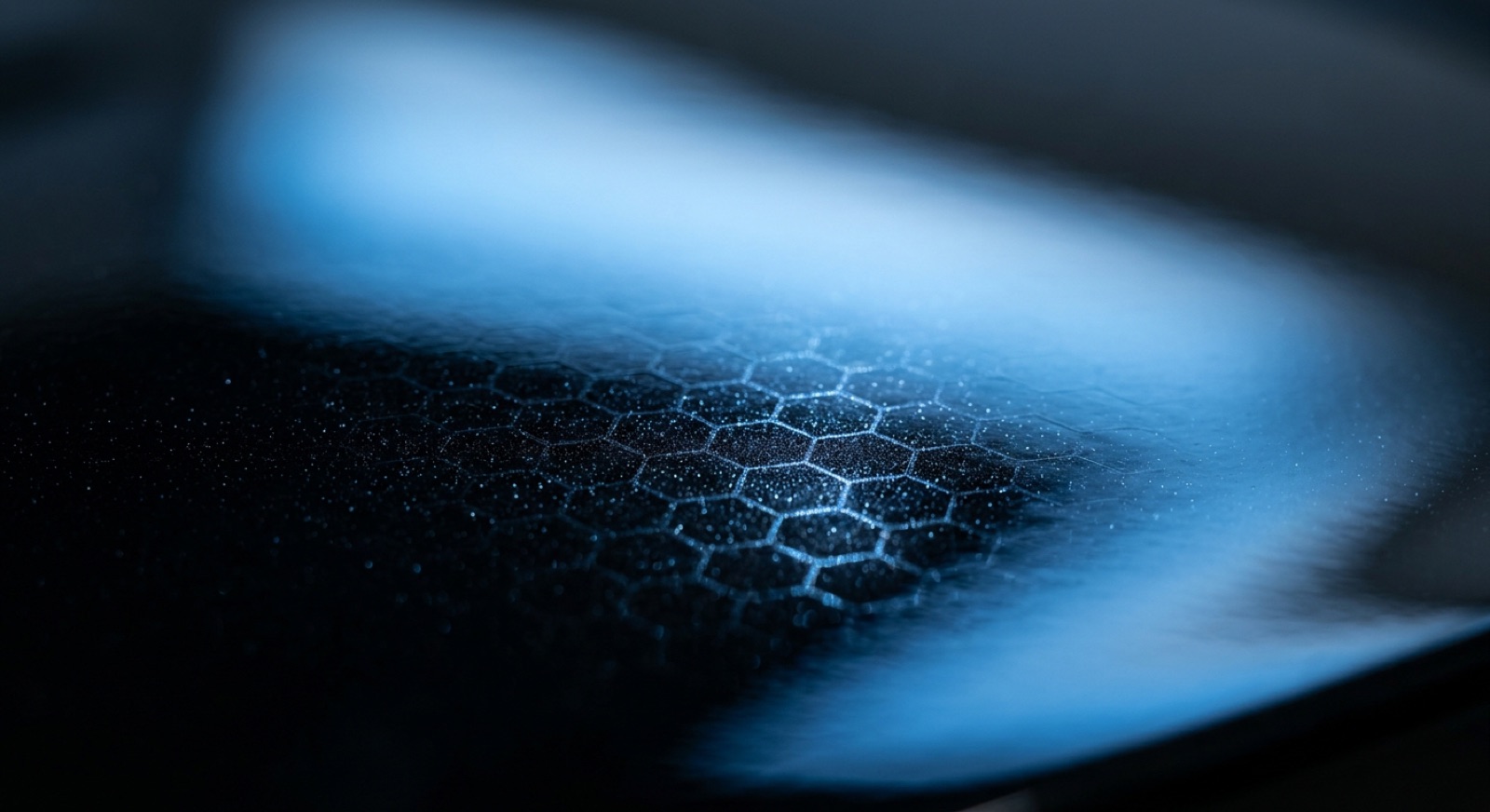
The short answer in the graphene coating vs ceramic coating debate is this: both are liquid-applied paint protection that cure into a hard, glossy layer, but graphene coatings are infused with graphene oxide alongside the silica (SiO2) base, which generally improves heat dispersion, reduces water spotting and can extend durability compared with a traditional ceramic coating. Below we break down composition, hardness, heat, hydrophobicity, durability and price so you can choose with clear eyes.
A traditional ceramic coating is a liquid polymer based on silicon dioxide (SiO2), often blended with titanium dioxide and other resins. Once applied and cured, it chemically bonds to the clear coat and forms a hard, long-lasting protective layer that is far harder and slicker than wax or sealant.
Ceramic coatings became the benchmark for serious paint protection because they deliver strong gloss, good chemical resistance and real hydrophobic (water-repelling) behaviour. They make washing easier and help shield paint from UV, light contaminants and oxidation. They are a proven, well-understood technology and remain an excellent choice for many vehicles.
A graphene coating uses the same SiO2 chemistry as its foundation but adds graphene oxide, a carbon-based material valued for its strength and thermal conductivity. The result is a coating that keeps the qualities people like about ceramic while addressing two common complaints: water spotting and surface heat retention.
It is worth being honest here: graphene is a genuine material upgrade, not a magic layer. It does not make paint indestructible, and it will not repair deep scratches, stone chips or dents. What it does is refine an already strong category of protection.
Quality coatings in both categories are commonly rated at 9H on the pencil hardness scale, which is the highest rating in that test. A 9H rating means strong resistance to fine marring from normal washing and handling. It does not make the coating impervious to all scratches, and no coating prevents rock chips or careless contact. Both ceramic and graphene coatings sit at a similar hardness ceiling.
This is where graphene tends to pull ahead. Because graphene conducts and spreads heat more evenly, the surface is less likely to hold concentrated heat. In practical terms that can reduce the conditions that lead to water spots baking onto hot panels in the Australian sun.
Both coatings are highly hydrophobic, producing a high water contact angle so water beads and sheets off quickly. The practical difference is in water spotting: graphene’s heat behaviour and surface chemistry tend to leave fewer mineral deposits behind as water evaporates. For owners who park outside or wash in direct sun, that is a meaningful day-to-day benefit. Either way, hydrophobic simply means easier and less frequent washing, not that you never need to wash the car.
Durability depends heavily on the specific product, preparation and aftercare, but premium graphene coatings can offer up to 9 years of protection with correct maintenance, which is at the upper end of what coatings in this space provide. Ceramic coatings vary widely, from around two years for entry-level products to several years for professional-grade formulas.
Graphene coatings usually cost a little more than comparable ceramic coatings because of the materials and the longer protection on offer. The gap is often modest once you factor in durability and reduced maintenance over the life of the coating. The biggest cost driver in either case is paint preparation, since a proper correction and decontamination is what lets any coating bond and perform.
The Kovalent Graphene Matrix is a graphene-infused coating that sits at the premium end of this comparison. It combines a 9H-rated hard surface, strong heat dispersion, a high water contact angle for reliable beading and reduced water spotting, and durability of up to 9 years with correct care.
It also includes a self-healing characteristic: when the surface is warmed to around 100°C, whether by sunlight or gentle heat, the coating can reduce the appearance of minor swirls and light scratches. To be clear, this only softens the look of very fine marks and does not repair deep scratches, chips or dents. As specialist installers, we apply it across our three studios in Brisbane, Melbourne and the Gold Coast, with paint preparation matched to each vehicle. You can read more about our process on our paint protection services page or explore luxury car paint protection for high-end finishes.
If you want the best balance of heat handling, water spotting resistance and long durability, a graphene coating like the Kovalent Graphene Matrix is the stronger option, especially in Australia’s climate. A traditional ceramic coating remains a sound, cost-effective choice and still delivers excellent gloss and protection. The right answer depends on your vehicle, how and where it is stored, and how long you plan to keep it. Our team is happy to assess your paint and recommend honestly. Find your nearest studio on our locations page or book a consultation through contact us.
In most cases a graphene coating offers improved heat dispersion, better water spotting resistance and longer durability than a comparable ceramic coating, because it adds graphene oxide to the silica base. Ceramic coatings are still very capable, so the best choice depends on your budget, vehicle and storage conditions.
Premium graphene coatings such as the Kovalent Graphene Matrix can offer up to 9 years of protection, but only with correct application and regular, gentle maintenance. Harsh washing, neglect and environmental damage will shorten the life of any coating.
No. A 9H-rated coating strongly resists fine marring from washing, but it will not prevent stone chips, deep scratches or dents. Its self-healing only reduces the appearance of minor swirls and light scratches when warmed to around 100°C, and it does not repair deep damage.
Yes. A coating is highly hydrophobic, so dirt and water release more easily and washing is quicker and less frequent. It does not mean the car never needs washing. Regular gentle washing keeps the coating performing at its best.
Still weighing up your options? Browse more guides on our blog, see common questions on our FAQ page, or talk to our specialists in Brisbane, Melbourne or the Gold Coast about the right coating for your car.